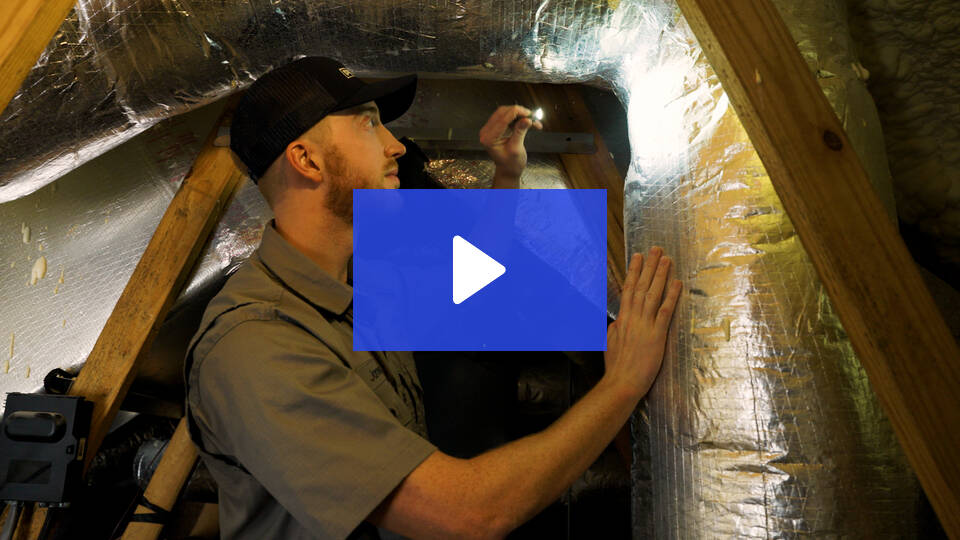
Ductwork plays a critical role in delivering conditioned air throughout your home, but hidden leaks can significantly reduce comfort, efficiency, and indoor air quality. Many homeowners assume a quick visual check is enough to spot problems, but most duct leakage occurs in areas that are not easily accessible. They need professional duct services in Baldwin County, AL. Professional testing is the only reliable way to measure leakage accurately and determine the best solution.
Not your area? Select your location here:
Select your location to get started:
Not your area? Select your location here:
Select your location to get started:
Peaden Air Conditioning, Plumbing & Electrical Blog: Archive for the ‘Baldwin County, AL’ Category
How Professionals Identify and Measure Duct Leakage
Monday, April 6th, 2026Why Our SmartCare Club Is the Smart Choice Before Things Heat Up This Summer!
Monday, April 6th, 2026As temperatures begin climbing, homeowners are preparing for months of heavy air conditioning use. The last thing anyone wants is a breakdown during peak summer heat. Routine air conditioning maintenance in Baldwin County, AL is the key to avoiding those uncomfortable surprises, and joining a professional maintenance plan offers even greater advantages. With the SmartCare Club from Peaden Air Conditioning, Plumbing & Electrical, homeowners gain reliable comfort, lower costs, and peace of mind all season long.
April Showers: How to Prepare Your Plumbing!
Monday, April 6th, 2026Spring brings warmer weather and increased rainfall, which can put added stress on your home’s plumbing system. While many homeowners focus on outdoor cleanup, your plumbing should also be part of your seasonal maintenance routine. Adding your pipes and fixtures to your spring cleaning checklist can help prevent costly issues, reduce stress, and keep your system running efficiently. Our Peaden Pros recommend taking a proactive approach with plumbing maintenance in Baldwin County, AL before heavy rains arrive.
What a Sewer Camera Inspection Shows That Other Plumbing Methods Can’t
Monday, April 6th, 2026Plumbing issues are not always visible on the surface, especially when they involve underground sewer lines. Traditional diagnostic methods often rely on guesswork, which can lead to unnecessary digging, inaccurate repairs, and higher costs. Sewer video pipe inspections in Baldwin County, AL provide a precise, real-time view inside your pipes, allowing our Peaden Pros to identify problems with unmatched accuracy.
Common Generator Issues That Can Surface After Months of Inactivity
Monday, April 6th, 2026Standby generators provide critical backup power during outages, but prolonged inactivity can lead to performance issues when you need them most. In our area, where severe weather can strike unexpectedly, ensuring your generator is ready to operate is essential. Without regular generator maintenance in Baldwin County, AL, several common problems can develop behind the scenes. Our Peaden Pros help homeowners stay prepared with professional generator maintenance that keeps systems reliable year-round.
What to Know Before You Install Mini Split Systems in Baldwin County, AL
Monday, March 30th, 2026Imagine finally finishing that garage conversion, sunroom, or bonus room, only to realize it stays sticky, unevenly cooled, and uncomfortable for half the year. In Baldwin County, where long, humid cooling seasons put extra strain on HVAC equipment, a mini split can be a smart solution, but only if it’s selected and installed correctly.
At Peaden Air Conditioning, Plumbing & Electrical, our Peaden Pros help homeowners choose ductless systems that fit the space, the climate, and the way the home is actually used. For homes without ducts, room additions, zone control, and higher efficiency, mini splits can be an excellent option. And with more than 50 years of service along the Gulf Coast, upfront pricing, next-day install availability, and a 100% satisfaction guarantee, homeowners in Baldwin County can count on trusted guidance from The Professionals You Can Trust.

Why Mini Split Systems Are So Popular in Baldwin County
Mini splits are especially useful when you want heating and cooling in one system, need comfort in a house or area without ductwork, or want independent temperature control in specific rooms. They are often a strong fit for garages, additions, enclosed patios, upstairs rooms, and older homes where adding ducts would be disruptive or expensive.
For Baldwin County homeowners, that flexibility matters. Gulf Coast conditions make humidity control, proper drainage, and smart equipment placement more important than they might be in drier climates. A system that looks good on paper can disappoint quickly if it is oversized, poorly located, or installed without considering moisture exposure and condensate management.
What to Know Before You Install Mini Split Systems
- Wrong Sizing Can Ruin Comfort and Efficiency
A mini split that is too small may run constantly and struggle during peak summer heat, while a unit that is too large can short cycle and leave the room cool but clammy because it does not run long enough to remove enough humidity. Before installation, your contractor should look at the full picture, including room size, ceiling height, insulation levels, sun exposure, window area, occupancy, whether the space is open or closed off, and the local humidity load. Many online size charts give only a rough estimate, so it is best to work with an experienced installer who will size the system based on more than square footage alone. Proper sizing is one of the most important steps in getting the comfort, efficiency, and moisture control you expect from a mini split.
- Placement of the Indoor Unit Matters More Than Most Homeowners Expect
The indoor air handler should not just go wherever there is open wall space. Placement affects airflow, comfort, noise, service access, and how well the system handles the room. A poor location can create hot and cold spots, blow air directly onto seating or beds, reduce efficiency, make the line set more visible, and make maintenance harder later on. In spaces like sunrooms, bonus rooms, and converted garages, the best-looking wall is not always the best-performing wall. The goal is balanced airflow and practical access for future service.
- The Outdoor Unit Needs the Right Location, Too
The condenser must be installed where it can breathe, drain properly, and stay protected from unnecessary wear. Along the Gulf Coast, installers should think about rain exposure, salt air, debris, elevation, and clearances before deciding whether a ground mount or wall bracket makes more sense. They should also consider drainage around the pad, distance from bedrooms or patios, airflow clearances, accessibility for maintenance, and protection from standing water and heavy runoff. This is especially important in coastal and low-lying parts of Baldwin County, where moisture and site conditions can shorten equipment life if planning is sloppy.
- You May Need a Permit and Inspection
Many homeowners are surprised to learn that HVAC work often involves permitting. That matters because permitted installation can help with code compliance, electrical safety, proper inspection, insurance documentation, resale confidence, and warranty protection. Do not assume a mini split is too small to matter. Permits and code requirements can still apply, and checking that early can help prevent delays or problems later in the project.
- Electrical Capacity Has to Be Verified First
A mini split is not just a wall unit, it must be matched to the home’s electrical setup. Depending on system size and configuration, installation may require a dedicated circuit, disconnect, or panel evaluation. Before install day, your contractor should confirm circuit requirements, available panel capacity, disconnect location, surge protection options, and whether a multi-zone system changes the load plan. Skipping this step can delay installation or create safety issues.
- Single-Zone vs. Multi-Zone Is a Big Decision
Not every home needs multiple indoor heads. A single-zone mini split can be ideal for one specific problem area, while a multi-zone system may make more sense for several rooms. The right recommendation depends on how many rooms need comfort control, how often those rooms are used, installation complexity, budget, efficiency goals, and whether future expansion is likely. The best answer is not always the biggest system. Often, it is the simplest system that solves the real comfort problem without overcomplicating the installation.
- Drainage and Humidity Control Are Critical on the Gulf Coast
Mini splits remove moisture as they cool, so condensate drainage must be designed carefully. In a humid market like Baldwin County, poor drain routing can lead to water problems, performance issues, or indoor damage. Your installer should think through whether a gravity drain or condensate pump is needed, how the drain line will be routed, how clogs will be prevented, whether there will be enough access for cleaning, and where the exterior discharge point should go. In Gulf Coast homes, humidity control is just as important as temperature control.
Where Mini Splits Make the Most Sense
Mini split systems are often a strong choice for bonus rooms, garages and workshops, sunrooms, home offices, additions, guest suites, and older homes without existing ducts. That makes them especially useful for homeowners in Baldwin County who want to improve comfort in one problem area without the cost and disruption of extending ductwork throughout the home. It also lines up well with the needs of homes in communities such as Foley, Daphne, Fairhope, Gulf Shores, Orange Beach, and Spanish Fort.
What to Do Before Installation Day
Use this checklist before committing to a system:
- Identify which room or rooms actually need separate comfort control
- Make note of humidity, hot spots, noise, or airflow complaints
- Ask whether a single-zone or multi-zone system is better
- Confirm the system will be professionally sized
- Ask about permit requirements
- Verify electrical capacity through a licensed professional
- Ask where the indoor and outdoor units will go
- Confirm how condensate drainage will be handled
- Review warranty details
- Ask about maintenance after installation
A better homeowner-focused approach is to decide these planning issues first, because many long-term problems start before installation even begins.
Why Mini Split Maintenance Matters More Than You Think
A neglected heat pump can use 10% to 25% more energy than a well-maintained one. Proper maintenance is essential for efficiency, and regular filter and coil care helps protect airflow, system performance, and long-term reliability. That matters for mini splits too, especially in high-use cooling climates like Baldwin County, where longer run times can put more stress on the equipment and make small maintenance issues more expensive over time.
How Regular Maintenance Protects Your New Mini Split
After installation, regular maintenance helps protect comfort, efficiency, and service life by keeping airflow cleaner, improving humidity removal, reducing wasted energy, lowering the risk of breakdowns, extending system longevity, and helping your mini split perform better during peak summer heat. In Baldwin County, where cooling systems often work harder for longer stretches, that kind of upkeep can make a noticeable difference in both comfort and operating costs. Staying on top of maintenance also helps catch small issues early before they turn into bigger and more expensive repairs.
FAQs About Mini Split Installation in Baldwin County, AL
Question: Are mini splits a good fit for homes in Baldwin County?
Answer: Yes. They work especially well for additions, older homes without ducts, garages, and rooms that need independent comfort control. They can also be a smart option for homeowners who want better efficiency and more targeted comfort in one specific area.
Question: Do mini splits help with humidity?
Answer: They can, but only if the system is properly sized and installed to run effectively long enough for moisture removal. If a unit is too large or poorly installed, it may cool the space quickly without removing enough moisture from the air.
Question: Do I need a permit to install a mini split in Baldwin County?
Answer: You may. HVAC work can involve permits and inspections depending on the scope and jurisdiction. It is always a good idea to ask your installer about local permit requirements before the project begins.
Question: Is a mini split better than extending ductwork?
Answer: In many additions, garages, and isolated spaces, yes. They are often ideal where extending or installing ductwork is not practical. In some cases, a mini split can also save money by avoiding major remodeling or duct installation work.
Question: How often should a mini split be serviced?
Answer: Filters should be cleaned regularly, and professional maintenance should be scheduled as recommended by the manufacturer or installer. Routine service helps protect efficiency, improve airflow, and catch small issues before they turn into bigger repairs.
Question: Can one mini split cool my whole house?
Answer: Sometimes, but not always. A single-zone system is usually best for one area, while whole-home solutions may require multiple indoor units or another system design. The right setup depends on your home’s layout, square footage, and how many zones need independent temperature control.
Why Homeowners Choose Peaden Air Conditioning, Plumbing & Electrical for Mini Split Installation
Peaden Air Conditioning, Plumbing & Electrical is a local family-owned company serving the Gulf Coast, with more than 50 years of experience, same-day emergency service, next-day install availability, upfront pricing, licensed and certified professionals, and a 100% satisfaction guarantee. The company also serves communities across Baldwin County, including Daphne, Fairhope, Foley, Gulf Shores, Orange Beach, and Spanish Fort.
When you need help deciding whether a ductless system is right for your home, trust the Peaden Pros to recommend the right solution for your space, install it with care, and back the work with the service standard that has made Peaden a trusted name across the Gulf Coast.
Don’t let a poor install turn an efficient system into an expensive mistake, schedule your mini split installation estimate with Peaden Air Conditioning, Plumbing & Electrical in Baldwin County, AL.
Choosing the Right AC Unit Installation for Your Home
Monday, March 30th, 2026Imagine coming home after a long summer day in Baldwin County only to find your house still hot and humid because your air conditioner can’t keep up. Along Alabama’s Gulf Coast, where temperatures regularly climb and humidity stays high, having the right AC system is not just about comfort. It is essential for your home and your family.
At Peaden Air Conditioning, Plumbing & Electrical, we help homeowners choose air conditioning systems that are built for Gulf Coast conditions. Not all AC units perform the same, and choosing the wrong system can lead to higher energy bills, uneven cooling, poor humidity control, and premature wear. The right equipment, paired with expert installation, can make a major difference in your comfort and long-term system performance.

Factors to Consider When Choosing an AC Unit
Selecting the right air conditioner for your home involves more than choosing the most powerful system available. A properly matched unit helps deliver efficient cooling, lower utility costs, and dependable long-term performance. It also supports more consistent indoor comfort and reduces unnecessary strain on your HVAC system over time.
Home Size and Cooling Capacity Matter
One of the most important parts of a new air conditioner installation is choosing the correct system size for your home. An undersized system may struggle to keep up with Baldwin County’s heat and humidity, while an oversized unit can short cycle by turning on and off too often. Both issues can lead to uneven temperatures, excess wear on components, and poor humidity control.
A professional load calculation takes into account square footage, ceiling height, insulation quality, window placement, and local climate conditions. Proper sizing helps your system cool more efficiently, improves indoor comfort, and supports a longer service life.
Energy Efficiency and SEER Ratings
Energy efficiency plays a major role in both comfort and long-term operating costs. Modern AC systems are rated using SEER, or Seasonal Energy Efficiency Ratio, which measures how efficiently a unit cools your home over an entire season. In a climate like Baldwin County, where air conditioners often run for long stretches, a higher-efficiency system can make a noticeable difference over time.
Choosing an energy-efficient system may help reduce monthly cooling costs while improving overall comfort. Although high-efficiency units can come with a higher initial investment, they often provide meaningful savings over the life of the system.
System Types Available for Installation
Several types of air conditioning systems may be suitable for your home, depending on the layout, existing ductwork, and your cooling goals.
- Central air conditioning systems are a common choice for homes with existing ductwork because they provide consistent whole-home cooling.
- Heat pumps are another strong option for Gulf Coast homes because they provide both heating and cooling in one system while offering excellent efficiency in milder winter weather.
- Ductless mini-split systems can be ideal for older homes without ductwork, home additions, or specific rooms where targeted comfort is needed. They also allow for flexible zoning.
A professional evaluation can help determine which system type best fits your home, comfort needs, and efficiency goals.
Installation Quality Is Just as Important as the Unit
Even a high-quality air conditioner can underperform if it is not installed correctly. Improper installation may lead to airflow issues, incorrect refrigerant levels, reduced efficiency, and a shorter system lifespan.
Professional installation helps ensure the system is properly sized, safely connected, correctly charged, and optimized for airflow throughout the home. At Peaden Air Conditioning, Plumbing & Electrical, our team focuses on quality workmanship and customer care so homeowners can feel confident their investment is set up for reliable performance from day one.
What to Do Before Installing a New AC System
If you are planning to install a new air conditioner, taking a few steps ahead of time can help you make a more informed decision. Preparing early gives you a better understanding of your home’s cooling needs, your budget, and your long-term efficiency goals.
- Evaluate Your Current System Performance
Before replacing your existing system, look at how well it is performing. Rising utility bills, uneven temperatures from room to room, and difficulty keeping up during hot Baldwin County afternoons can all be signs that your AC is no longer operating efficiently.
Recognizing these issues early can help you decide whether a replacement may be more cost-effective than continued repairs.
- Schedule a Professional Home Evaluation
A professional home evaluation is one of the most important steps before installing a new AC system. During this assessment, an HVAC technician can review your home’s ductwork, insulation, airflow, and vent placement to better understand your cooling requirements.
This process helps ensure your new system is matched to your home and positioned to provide dependable comfort and efficiency.
- Consider Long-Term Energy Savings
When choosing a new air conditioner, it helps to look beyond the upfront cost. Higher-efficiency systems often require a larger initial investment, but they may use less electricity and provide more consistent cooling over time.
For many homeowners, that can translate into lower monthly energy bills and better comfort throughout the life of the system.
- Plan Installation During Off-Peak Seasons
Planning your installation before the hottest part of the year can make the process easier. Peak summer demand often brings fuller schedules across the HVAC industry. Installing earlier can help you prepare your home before extreme heat arrives and avoid waiting until your current system fails during the busiest part of the season.
How Regular Maintenance Protects Your New AC System
After your new air conditioner is installed, regular maintenance plays an important role in keeping it operating effectively and efficiently. Professional tune-ups help keep key components such as filters, coils, and refrigerant levels in proper condition. Routine service can also catch smaller concerns before they grow into more expensive repairs.
Benefits of professional AC maintenance can include:
- Improved cooling performance
- Lower energy bills
- Extended system lifespan
- Reduced risk of unexpected breakdowns
- Better indoor air quality
Without regular service, even newer systems can lose efficiency over time. Seasonal maintenance helps protect your investment and supports reliable comfort when you need it most.
Why Humidity Control Is Essential in Baldwin County Homes
In coastal Alabama, cooling is only part of the equation. Strong humidity control is also essential for indoor comfort. High humidity can make your home feel warmer than it is and may contribute to moisture-related problems such as musty air, mold growth, and reduced indoor air quality.
Choosing a system that can effectively manage humidity is especially important along the Gulf Coast. The right equipment can help create a more comfortable indoor environment while also helping protect your home over time.
FAQs About AC Installation in Baldwin County
Question: How much does AC installation cost in Baldwin County?
Answer: AC installation costs in Baldwin County often range from about $5,000 to $12,000 or more, depending on system size, efficiency rating, and installation complexity. Higher-efficiency systems and projects that require ductwork modifications or system upgrades typically cost more upfront but may reduce long-term energy expenses.
Question: How long does AC installation take?
Answer: Most residential AC installations can usually be completed within a single day. Larger homes, complex ductwork modifications, or system upgrades may require additional time.
Question: Should I repair or replace my air conditioner?
Answer: If your AC system is 10–15 years old, frequently breaks down, or struggles to cool your home efficiently, replacement may be the better option. A professional inspection can help determine whether repair or full replacement is the most cost-effective solution.
Question: What size air conditioner does my home need?
Answer: The correct AC size depends on factors such as square footage, insulation levels, window placement, and Baldwin County’s climate conditions. An HVAC professional performs a load calculation to ensure the system is properly sized for efficient cooling.
Question: How often should I service my air conditioner?
Answer: Air conditioners should be professionally serviced at least once per year, ideally before the summer cooling season begins. Regular maintenance helps keep the system running efficiently and can prevent unexpected breakdowns during peak heat.
Trusted AC Installation Experts in Baldwin County
Peaden Air Conditioning, Plumbing & Electrical is proud to serve homeowners throughout Baldwin County and the Gulf Coast. As a family-owned and operated company with a long history of service, we are committed to delivering the quality workmanship, customer care, and dependable solutions homeowners deserve.
Whether you are replacing an outdated system or planning a new installation, our team is here to help you choose the right option for your home and comfort needs.
Schedule service with Peaden Air Conditioning, Plumbing & Electrical today and let our professionals help keep your family comfortable through every Baldwin County summer.
Key Factors That Affect AC Installation Cost
Monday, March 30th, 2026Imagine your air conditioner breaking down during the peak of a humid Gulf Coast summer. Temperatures soar, humidity rises, and suddenly your home feels unbearable. Installing a new air conditioning system quickly becomes a top priority, but many homeowners are surprised by how much installation costs can vary.
At Peaden Air Conditioning, Plumbing & Electrical, we’ve helped homeowners across Baldwin County choose cooling systems that fit their homes, comfort needs, and budgets. The truth is, AC installation is not a one-size-fits-all service. Several important factors can affect the final price, from system size to installation complexity.
Understanding what drives AC installation costs can help you make a smarter, more cost-effective decision before investing in a new system.

Signs Your Current AC System May Need Replacement
Before discussing cost, it helps to know when installing a new system may be the better option. Many homeowners wait until their unit completely stops working, which can lead to emergency replacement decisions at the worst possible time.
- Frequent Breakdowns or Costly Repairs
If your air conditioner needs repeated repairs, a new installation may be the better long-term investment. Warning signs often include multiple repair calls in a single year, difficulty finding replacement parts for an older unit, or repair costs that start approaching a significant portion of the price of a new system.
When those problems become more common, continuing to repair the system can quickly become more expensive than replacing it. A professional evaluation can help you determine whether a new AC installation offers better long-term value, efficiency, and reliability.
- Weak Cooling or Uneven Temperatures
If some rooms in your home stay warm while the air conditioner runs, your system may be undersized, aging, or no longer operating efficiently. Worn components, improper system sizing, or ductwork issues can all prevent cool air from circulating evenly throughout the home.
In Baldwin County’s heat and humidity, poor cooling performance can quickly affect your comfort and drive up energy use as the system runs longer to keep up.
- Rising Energy Bills
A steady increase in your energy bills can be a sign that your AC system is losing efficiency. As equipment gets older, internal components wear down and the unit has to work harder to produce the same level of cooling.
Although a new system requires an upfront investment, newer high-efficiency equipment is designed to deliver strong cooling performance while using less energy. Over time, lower utility costs may help offset part of the installation expense.
Key Factors That Affect AC Installation Cost
Residential AC installation costs can vary widely depending on the equipment you choose and the complexity of the project. In many cases, installation may range from about $4,500 to $12,000 or more depending on the system and the home.
Below are some of the biggest factors that influence the final price.
Size of Your Home and System Capacity
One of the most important factors affecting AC installation cost is the size of your home and the cooling capacity required to keep it comfortable. Larger homes typically need larger systems, measured in tons or BTUs, and selecting the right size is essential for performance and efficiency.
A system that is too small may struggle to cool the home and run constantly. A system that is too large may cycle on and off too often, which can reduce efficiency and create unnecessary wear on the equipment. To find the right fit, HVAC professionals evaluate square footage, insulation, window placement, ceiling height, and occupancy.
Along the Gulf Coast, high temperatures and humidity often place greater demand on cooling systems, making accurate sizing even more important.
Type of Air Conditioning System
The type of system you choose also has a major impact on installation cost. Different systems involve different equipment, labor requirements, and installation methods.
Many homeowners select central air conditioning systems, while others may benefit from a heat pump, ductless mini-split system, or a high-efficiency variable-speed system. Each option has different advantages depending on your home’s layout, energy goals, and comfort preferences. The installation requirements for each can significantly affect the overall project cost.
Energy Efficiency Ratings
Energy efficiency is another major cost factor. Air conditioners are commonly rated using SEER, or Seasonal Energy Efficiency Ratio. Systems with higher SEER ratings typically cost more upfront, but they are built to use less energy while delivering the same or better cooling performance.
A higher-efficiency system may also improve humidity control and indoor comfort while lowering monthly operating costs. For many homeowners, paying more upfront for better efficiency can make sense over the life of the system.
Ductwork Condition or Modifications
Your existing ductwork can also affect installation pricing. If your home already has well-designed, properly sealed ducts, installation may be more straightforward. If the duct system is damaged, leaking, undersized, or poorly designed, repairs or modifications may be needed before the new equipment can perform as it should.
In some homes, parts of the duct system may need to be replaced or redesigned to improve airflow and efficiency. While that can increase the initial project cost, it often supports better comfort and more consistent temperatures throughout the home.
Installation Complexity
Every home is different, and installation complexity can change the final price. Homes with tight attic access, limited crawlspace access, older electrical systems, or structural challenges may require additional labor and preparation.
In some cases, electrical upgrades, thermostat wiring changes, condensate adjustments, or equipment relocation may be necessary. More complicated installations usually require more time and labor, which can increase the total cost.
Additional Comfort Features
Some homeowners choose to include comfort and indoor air quality upgrades as part of their AC installation. Options such as smart thermostats, whole-home air purification systems, humidity control equipment, and zoned cooling systems can improve comfort and help you better manage energy use.
These upgrades increase the upfront investment, but they can also support cleaner air, more precise temperature control, and better overall system performance.
If you are concerned about AC installation costs, working with The Professionals You Can Trust can help you compare options and choose a system that makes sense for your home and budget.
What To Do If You’re Planning an AC Installation
Planning ahead can help you avoid unnecessary costs and make the installation process smoother. When you take time to evaluate your home’s cooling needs, compare equipment options, and identify possible installation challenges early, you can make a more informed decision.
Step-by-Step AC Installation Preparation
- Schedule a Professional Home Evaluation
A licensed HVAC professional should inspect your home and assess its cooling needs before installation begins. This usually includes a load calculation to determine the correct system size for performance, efficiency, and comfort.
- Review System Options
Compare available air conditioning systems to find the one that best matches your needs and budget. Looking at system type, efficiency ratings, and long-term operating costs can help you make a practical choice.
- Evaluate Ductwork Condition
Have your existing ductwork inspected to confirm it can support the new system properly. A professional inspection can identify leaks, airflow restrictions, or design problems that should be addressed before installation.
- Compare Long-Term Savings
Some systems cost more upfront but may save money over time through improved energy efficiency. Looking beyond the initial price can help you understand the total value of your investment.
- Schedule Installation During the Off-Season
If possible, plan installation during spring or fall. Scheduling outside the peak summer rush may provide more flexibility and help you avoid waiting until your comfort is already on the line.
How Regular Maintenance Helps Reduce Installation Costs
Routine maintenance can extend the lifespan of your air conditioning system and help delay replacement. Regular inspections and tune-ups often catch minor issues early before they grow into more serious and expensive problems.
Benefits of regular HVAC maintenance include:
- Improved system efficiency
- Reduced energy bills
- Early detection of mechanical issues
- Extended equipment lifespan
- Lower risk of emergency breakdowns
Poorly maintained HVAC systems can lose efficiency over time, increasing operating costs and putting more strain on the equipment. A professional annual tune-up can help keep your system running effectively and reliably.
Why Gulf Coast Climate Impacts AC System Size
Homes along the Gulf Coast, including Baldwin County, often need properly sized systems that can handle both high heat and heavy humidity. These conditions can force air conditioners to run longer and work harder during the summer.
That is why accurate system sizing matters so much. The right AC installation helps maintain indoor comfort, improve efficiency, and support better humidity control throughout your home.
FAQs About AC Installation in Baldwin County, AL
Question: How much does AC installation cost in Baldwin County?
Answer: Most residential AC installations range between $4,500 and $12,000 depending on system type, efficiency, and installation complexity. Factors such as home size, ductwork condition, and installation difficulty can influence the final price.
Question: How long does AC installation take?
Answer: Most standard installations take one day, but projects involving ductwork upgrades or electrical changes may take longer. A professional evaluation can provide a more accurate timeline based on your home’s specific installation requirements.
Question: Should I repair or replace my air conditioner?
Answer: If your system is 10–15 years old, requires frequent repairs, or struggles to cool your home, replacement is often the better long-term investment. Newer systems typically offer improved efficiency, better comfort, and lower operating costs.
Question: How often should my AC system be serviced?
Answer: Most HVAC professionals recommend annual maintenance, ideally before summer begins. Regular servicing helps improve efficiency, prevent breakdowns, and extend the lifespan of your system.
Question: What size AC unit does my home need?
Answer: System size depends on square footage, insulation, and layout. A professional load calculation ensures the unit is properly sized to cool your home efficiently without overworking the system.
Choose the Right AC Installation for Your Baldwin County Home
AC installation costs can vary for many reasons, but understanding the factors involved can help you plan with confidence. From system size and efficiency to ductwork and installation complexity, every detail plays a role in the final investment.
At Peaden Air Conditioning, Plumbing & Electrical, service is our passion, safety is our priority, and satisfaction is our promise.
If you still have questions about AC installation in Baldwin County, contact our team today to schedule a professional consultation and get started with a solution tailored to your home.
Why Homeowners Choose Professional Attic Fan Installation
Sunday, March 29th, 2026Imagine stepping into your home after a long summer day in Baldwin County only to feel trapped in a stifling, overheated space. Your AC is running nonstop, your energy bills are climbing, and your attic feels like an oven. What many homeowners don’t realize is that the root of the problem often starts above the ceiling.
At Peaden Air Conditioning, Plumbing & Electrical, we help homeowners across Baldwin County improve comfort, support HVAC performance, and protect their homes with professional attic fan installation. In our hot, humid Gulf Coast climate, proper attic ventilation is an important part of keeping your home comfortable and efficient.

Signs Your Home Needs an Attic Fan Installation
An attic fan can help address more than excess heat. It may also help reduce moisture buildup, improve indoor comfort, and ease the strain on your cooling system. Here are some of the most common signs your home may benefit from professional attic fan installation.
Excessive Heat in Your Home? Your Attic May Be Trapping It
Poor ventilation can cause heat to build up in your attic, and that trapped heat can radiate into your living space, forcing your AC to work harder than it should. A professionally installed attic fan helps remove excess heat, improve airflow, and make your home more comfortable. If your upstairs rooms are consistently hotter than the rest of the house, your attic may need better ventilation.
High Energy Bills? Your Cooling System Is Overworking
When hot air collects in the attic, it can raise the temperature inside your home and make your cooling system run longer to keep up. That added strain often leads to higher energy bills and unnecessary wear on your AC. Professional attic fan installation can help reduce the heat load in the attic and support more efficient system performance over time.
Moisture or Mold in the Attic? Humidity May Be the Problem
In Baldwin County, heat is only part of the challenge. Humid coastal air can become trapped in the attic when ventilation is inadequate. Over time, excess moisture can contribute to mold growth, wood rot, and damaged insulation. Installing an attic fan can help improve airflow and support better moisture control, helping protect your home from costly structural problems.
Premature Roof Damage? Excess Heat Can Wear Materials Down
Excessive attic heat can affect roofing materials from below, contributing to faster wear over time. Without proper ventilation, that heat buildup may shorten the life of your roof and increase the likelihood of future repairs. An attic fan helps move hot air out of the attic, which can support better roof performance and long-term durability.
Uneven Indoor Temperatures? Poor Air Circulation Could Be Contributing
When heat builds up in the attic, it can create temperature imbalances throughout your home, leaving some rooms comfortable while others feel much warmer. Poor attic airflow often contributes to these uneven conditions and can make it harder for your HVAC system to maintain consistent comfort. Professional attic fan installation can help improve ventilation where it matters most.
What to Do If You Notice These Signs
If you are experiencing any of the issues above, taking action early can help reduce the risk of long-term damage. Addressing ventilation problems sooner may also help protect your comfort, your HVAC system, and your home from more costly issues later on.
What to do next
- If your home feels excessively hot or humid, schedule a professional attic ventilation inspection.
- If you suspect moisture, mold, or insulation damage in the attic, have the area evaluated by a qualified professional as soon as possible.
- If your AC is constantly running or certain rooms are much hotter than others, attic ventilation improvements may help reduce system strain.
When to call a professional
- Persistent high indoor temperatures
- Signs of mold or wood damage
- Rising energy costs without a clear explanation
How Professional Attic Fan Installation Saves You Money
Installing an attic fan is not just about making your home feel more comfortable. It can also be a practical long-term investment. By helping reduce attic heat and improve ventilation, a professionally installed attic fan may help lower cooling costs, ease the workload on your HVAC system, reduce the risk of moisture-related damage, and protect roofing materials from excessive heat.
Key takeaway: Better attic ventilation can support comfort today while helping reduce avoidable wear and repair costs over time.
Why Proper Attic Ventilation Matters
The U.S. Department of Energy says attic ventilation can help reduce heat buildup and moisture problems, and that a dry, well-ventilated attic can help lower heating and cooling costs. That matters in Baldwin County, where heat and humidity can put extra stress on your home. When excess heat and moisture build up overhead, your HVAC system may have to work harder to keep your indoor spaces comfortable.
FAQs About Attic Fan Installation in Baldwin County, AL
Question: How much does attic fan installation cost in Baldwin County?
Answer: The cost of attic fan installation can vary based on the type of fan, the size of your attic, and the complexity of the installation. A professional assessment can give you a more accurate estimate based on your home’s specific ventilation needs.
Question: Do attic fans really reduce energy bills?
Answer: Yes, attic fans can help reduce energy bills by lowering attic temperatures and easing the strain on your air conditioning system. When your HVAC system does not have to work as hard, it can operate more efficiently during hot weather.
Question: How long does installation take?
Answer: Most professional attic fan installations can be completed within a few hours, depending on the layout of the attic and the type of system being installed. More complex projects may take longer if electrical work or ventilation adjustments are needed.
Question: Should I install an attic fan myself?
Answer: It is usually best to leave attic fan installation to a professional to ensure proper placement, safe electrical connections, and reliable performance. Professional installation can also help prevent ventilation issues that may reduce the fan’s effectiveness.
Question: How do I know what size attic fan I need?
Answer: The right attic fan size depends on factors such as attic square footage, roof design, and your home’s overall ventilation setup. A professional can evaluate these details and recommend the correct fan size for effective airflow.
Why Homeowners in Baldwin County Trust Professional Installation
In Baldwin County and nearby communities like Foley, Daphne, Fairhope, and Gulf Shores, homeowners deal with intense heat and humidity for much of the year. A properly installed attic fan is more than an upgrade. It is one more way to help protect your comfort, your HVAC system, and your home.
Peaden Air Conditioning, Plumbing & Electrical has served Gulf Coast homeowners for more than 50 years with a strong focus on quality workmanship, customer care, and trusted professional service. As The Professionals You Can Trust, we bring local experience and careful installation practices to every job.
When your attic is holding in heat and moisture, our team is ready to help. Schedule your attic fan installation with Peaden Air Conditioning, Plumbing & Electrical today.
Understanding Attic Fan Installation Cost
Sunday, March 29th, 2026If your upstairs rooms feel hotter than the rest of the house, your AC seems to run nonstop, or your attic turns into an oven every summer, you may be wondering whether an attic fan is worth it and what installation will cost. In Baldwin County, that question matters even more because Gulf Coast heat and humidity can leave attics holding hot air and moisture for long stretches of the year.
At Peaden Air Conditioning, Plumbing & Electrical, we know homeowners are not just shopping for a fan. They are looking for ways to protect comfort, support energy efficiency, and help prevent moisture-related problems in the attic. With more than 50 years of serving the Gulf Coast, Peaden brings trusted local experience and professional electrical service to homeowners throughout Baldwin County.

What Does Attic Fan Installation Cost?
Most homeowners can expect attic fan installation to cost about $300 to $900 for a standard project, although the final price can move higher or lower depending on the type of fan, the mounting method, electrical requirements, attic access, and roof conditions. National cost guides commonly place the average installed range in that band, with labor and equipment costs changing based on the scope of the job.
For Alabama-specific context, more standard attic fan installation jobs are often reported in the $410 to $500 range statewide. However, real-world pricing in Baldwin County may be higher when a project involves added wiring, roof modifications, controls, or code-related work.
Typical attic fan cost ranges
Basic turbine or simple passive options are usually the most affordable. Electric attic fans tend to come with a moderate upfront cost but may require dedicated wiring from a licensed electrician. Solar attic fans often cost more upfront, though they can reduce operating costs and may avoid some wiring expense depending on the setup. Whole-house fans are not the same as attic fans and usually cost much more overall. New attic fan units can vary widely by type and capacity, while whole-house fans typically fall into a much higher installed price range.
What Affects Attic Fan Installation Cost?
Several factors can influence the final price of an attic fan installation, and no two homes are exactly alike. From the type of fan you choose to the condition of your roof and the amount of electrical work involved, each detail can affect the overall cost of the project.
- Fan type changes the price fast
The kind of fan you choose is one of the biggest cost factors. Electric fans are common and effective, but installation may cost more when new wiring or controls are needed. Solar attic fans often have a higher equipment price, but they may reduce labor in some cases because they do not always require the same electrical work.
- Roof mount vs. gable mount
Your installer may recommend a roof-mounted or gable-mounted fan based on your attic layout and existing ventilation. Installation labor can vary depending on the mounting method, roof access, and how much modification is required.
- Attic size and required airflow
A larger attic usually needs a more powerful fan, and more airflow generally means a higher unit cost. Proper sizing matters because an undersized fan may not move enough heat and moisture, while an oversized setup can create ventilation imbalance. The right installation starts with a careful evaluation of your attic so the system matches your home’s needs.
- Electrical work and controls
If the project needs a new circuit, thermostat, humidistat, or upgraded wiring, your total price can increase. These features can improve performance and control, but they also affect the overall installed cost.
- Roof access, pitch, and condition
A steep roof, limited attic access, or roofing material that needs careful patching can add labor time. This is one reason online averages are only a starting point. Professional installation also matters because poorly sealed roof penetrations can create leak risks over time.
- Why Attic Fans Matter in Baldwin County
Baldwin County homeowners deal with a humid subtropical climate, and Gulf Coast conditions often bring long cooling seasons, high humidity, and storm-related moisture concerns. That makes attic ventilation more than a comfort upgrade. In many homes, it can be part of a broader strategy to help remove super-heated air and moisture from the attic.
That is especially relevant in communities across Baldwin County, including Foley, Gulf Shores, Orange Beach, Daphne, Fairhope, and Spanish Fort, where heat and humidity can put added stress on roofing systems and cooling equipment. Permit and code requirements can also vary by municipality or jurisdiction, so installation details may differ based on your exact location.
Signs You May Need an Attic Fan
Your upstairs rooms stay hot
If the second floor is always warmer than the rest of the house, trapped attic heat may be radiating downward and forcing your AC to work harder. This can point to poor attic ventilation, excessive attic heat, or insufficient airflow. Having the attic professionally evaluated can help identify the real issue before summer demand pushes cooling costs even higher.
Your cooling bills keep climbing
An attic fan is not a cure-all, but reducing extreme attic heat can support better overall home performance. Proper attic ventilation helps move hot air and moisture out, especially during long Gulf Coast summers, and rising cooling bills may be a sign that heat buildup is putting extra strain on your cooling system. In many cases, it makes sense to compare installation cost against the long-term comfort and efficiency benefits.
You notice musty odors or moisture issues
Moisture in the attic can contribute to mold risk, insulation problems, and wood deterioration over time. If you notice musty odors or signs of dampness, it may mean ventilation is not keeping up with local humidity levels. A professional inspection can help you understand whether attic ventilation is part of the solution.
Your roof has seen heavy heat and humidity exposure
Good attic ventilation can help remove super-heated air in summer and support overall roof performance. If your home has been exposed to long periods of heat and humidity, your attic may be holding more heat than your roofing system should handle. In that case, it may be worth asking whether attic ventilation upgrades should be considered along with roofing or insulation improvements.
What to Do Before You Approve the Installation
Use this checklist before moving forward:
- Ask what type of fan best fits your attic: electric, solar, gable, or roof-mounted.
- Confirm the fan will be properly sized for your attic.
- Ask whether you need additional intake ventilation for the fan to work effectively.
- Find out whether the project needs electrical work, a humidistat, or a thermostat.
- Ask who will handle roof sealing and weatherproofing.
- Confirm whether permits or inspections apply in your part of Baldwin County.
- Request a written estimate that separates equipment, labor, controls, and any roof modifications.
How Proper Attic Ventilation Protects Your Home
A well-ventilated attic is about more than heat. It also helps control excess moisture that can build up in humid conditions and create hidden problems over time. Too much attic moisture can contribute to roof damage, reduced insulation performance, and comfort issues inside the home.
Key takeaway
Attic fan installation is not just about making your attic cooler. When the fan is properly selected, sized, and installed, it can support year-round comfort, help your cooling system work more efficiently, and reduce the risk of heat- and moisture-related attic problems.
Why Homeowners Choose Peaden Air Conditioning, Plumbing & Electrical
Homeowners want more than a low number on a quote. They want confidence that the job will be evaluated carefully, installed safely, and finished with attention to long-term performance in Gulf Coast conditions.
Peaden Air Conditioning, Plumbing & Electrical brings more than 50 years of trusted local experience to homeowners across the Gulf Coast. The company emphasizes licensed electricians, professional service, and a commitment to doing the job The Peaden Way: Service Is Our Passion, Safety Is Our Priority, Satisfaction Is Our Promise.
FAQs About Attic Fan Installation in Baldwin County, AL
Question: How much does attic fan installation cost in Baldwin County, AL?
Answer: Most projects fall around $300 to $900, but the final cost depends on fan type, wiring, roof work, controls, and local permit requirements. Homes with more complex roof access or added electrical upgrades may fall on the higher end of that range.
Question: Is a solar attic fan more expensive?
Answer: Usually yes upfront, but it may reduce wiring costs and lower operating costs over time. For some homeowners, the higher initial price can be worth it for the long-term energy savings and convenience when the system is professionally selected and installed for the home.
Question: What is the cheapest type of attic fan?
Answer: Simple passive or turbine-style options are usually the least expensive, while powered electric and solar units typically cost more. However, the best value depends on your attic size, ventilation needs, and overall home layout, so it is best to have the attic evaluated before choosing a system.
Question: Do I need a permit for attic fan installation in Baldwin County?
Answer: Possibly. Permit and code requirements can vary by county jurisdiction and municipality, so your installer should verify the rules for your address. This is especially important if the installation involves new wiring or structural roof modifications.
Question: Can an attic fan help with moisture?
Answer: Yes, proper ventilation can help remove moisture, which is important in humid climates like coastal Alabama. Better airflow may also help reduce the risk of mold, insulation damage, and other moisture-related issues in the attic, but moisture concerns should be professionally assessed to make sure the right solution is used.
Question: Is an attic fan the same as a whole-house fan?
Answer: No. A whole-house fan is a different system and usually costs more than a standard attic fan. Attic fans are designed to ventilate hot air from the attic, while whole-house fans move air through the living space and into the attic.
Get Trusted Help With Your Attic Ventilation Needs
Whether you are comparing attic fan options, dealing with rising cooling costs, or trying to prevent heat and moisture buildup in your attic, Peaden is here to help. Our team can evaluate your attic, explain your options clearly, and recommend a solution that fits your home’s needs and layout. With trusted Gulf Coast experience and licensed electrical professionals, we focus on safe, reliable installation designed for long-term performance.
Contact Peaden Air Conditioning, Plumbing & Electrical today to schedule your attic fan consultation in Baldwin County.