 You are viewing the Fort Walton Beach, FL location.
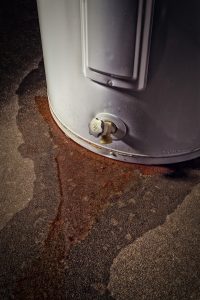
A sudden water heater leak can turn into a serious plumbing emergency in minutes. Hot water heaters store large volumes of water under pressure, and when something fails, the damage can spread quickly. Homeowners in Crestview and Fort Walton Beach should know how to respond immediately to limit water damage and protect their home while professional help is on the way. When you need emergency plumbers in Crestview, the Peaden Pros are ready to help restore your peace of mind!
Shut Off the Water Supply Right Away
The first step is to stop the flow of water into the tank. Most water heaters have a dedicated shutoff valve on the cold-water supply line above the unit. Turn the valve clockwise to stop incoming water.
If the valve is stuck or you cannot locate it, shut off the main water supply to the home. This prevents continued leaking and reduces the risk of flooding, especially if the tank has ruptured.
Turn Off Power or Gas to the Water Heater
Once the water supply is shut off, the next priority is safety. For electric water heaters, turn off the circuit breaker that supplies power to the unit. Running an electric water heater while it is leaking can damage internal components and create electrical hazards.
For gas water heaters, turn the gas control valve to the off position. This prevents the burner from firing while the tank is compromised. Never attempt to relight or restart a leaking water heater.
Relieve Pressure and Contain the Leak
Open a nearby hot-water faucet to relieve pressure in the tank. This helps reduce stress on the unit and can slow the flow of water escaping from the leak.
Use towels, buckets, or a wet vacuum to contain water spreading across floors. Move nearby belongings, furniture, and stored items away from the area to limit damage. Even a small amount of standing water can cause flooring and cabinetry to swell or warp.
Identify Where the Leak Is Coming From
If it is safe to do so, take a quick look at the source of the leak. Common leak locations include the temperature and pressure relief valve, inlet or outlet connections, drain valves, or the tank itself.
Leaks from fittings or valves may sometimes be repairable. Water leaking from the bottom of the tank often indicates internal corrosion or tank failure, which typically requires water heater replacement. Knowing the source helps professionals determine the best solution faster.
What Not to Do During a Water Heater Leak
Avoid attempting temporary repairs that can make the situation worse. Do not wrap leaking pipes or valves with tape and assume the problem is resolved. Do not try to drain or disassemble the water heater yourself. Do not ignore the leak and hope it stops on its own.
When to Call for Emergency Plumbers
A leaking water heater is almost always an emergency. You should contact plumbers immediately if water is actively leaking, pooling around the unit, or damaging surrounding areas.