
Peaden Air Conditioning, Plumbing & Electrical Blog: Archive for the ‘A/C and Heating’ Category

Why Is My Air Conditioner Leaking?

July 18th, 2016 | Written By | Reviewed By Briant Daws

iStock

Common Reasons for an Air Conditioner Leak 

It can be very alarming when you notice that your air conditioner is leaking. After all, you’ve invested a lot of money on your air conditioner and it’s essential to keeping a comfortable temperature in your home. While it might be easy to just continually clean up the water rather than finding out what the problem is, in order to have an AC unit that is durable and offers longevity, you’ll want to get the problem fixed promptly. Here we look at some of the common problems of why your air conditioner is leaking and how you can prevent it from happening in the future.

Condenser Tray Concerns

The interior of your air conditioning unit is equipped with an evaporator coil. This evaporator coil works as a collector of the condensation that forms as part of the process of creating cooled air. The warm air from inside the home is forced over this cooling coil. As the warmer air cools, it drops some of the moisture that it is carrying. This moisture then drips from the coil into a tray or pan, which in turn goes into a drain in the tray.

There are sometimes problems with the tray that can cause water leakage. If the tray is not set at a slight angle, the water cannot exit. Much like a bathtub, the pan must be at a slant to drain properly. An AC repair technician may only have to make a slight adjustment to the tray’s position to fix the problem. Increasing the slant or even moving the pan sideways can fix this water issue. It’s also important to know that the pan can also have cracks that are causing the leakage. If this is the case, the tray may have to be replaced.

Drainpipe Drama

Air conditioning systems are designed with drainpipes underneath them. These drainpipes are made to get rid of the water that condenses and falls into the tray. The basic problem with these drainage pipes is that they can become clogged with dirt and debris. If they become clogged, the water draining into them backs up into the pan, causing it to overflow and leak.

Although a professional repairman can correct the problem, it is in your best interest to do whatever you can to help prevent this problem from occurring. Water leakage is one of the most damaging of household problems, so avoiding the problem in the first place is absolutely ideal.

Signs of Leaking Refrigerant

If there is a leak of the AC refrigerant, there will be many things that you notice. Some happen immediately and others you might notice with time. However, it is best to recognize the issue immediately, if at all possible, when it comes to leaking refrigerant. Things you should pay attention to include the following:

  • Cooling output issues. This might be caused by duct leaks or a thermostat that isn’t working properly. However, it could mean leaking refrigerant, as well. If the refrigerant is leaking, your home can’t be cooled properly.
  • Increased energy bills. The longer your AC is on, the higher your energy bills are going to be. If there is a huge spike in your bill, it could mean your AC unit is leaking refrigerant.
  • Ice surrounding the coils. While this could be that the air filter is just dirty, leaking refrigerant could be the culprit, too. Without refrigerant properly running through the AC unit, the condensation freezes on the coils.

Other Common Causes of a Leaky AC Unit

Here are a few of the most common reasons for leaking, but there are other causes beyond the list below:

  • A cracked condensate drain pipe
  • A dirty or frozen evaporator coil
  • A rusted drain line
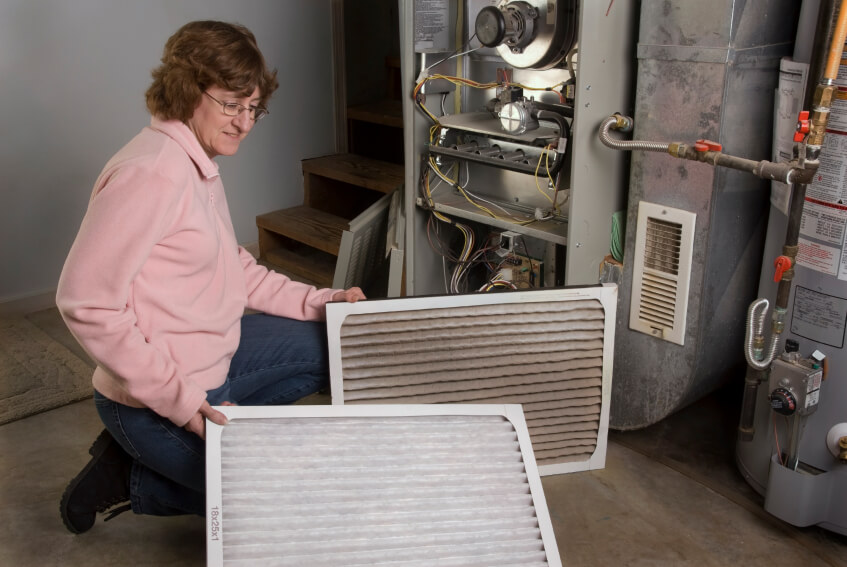
  • A clogged air filter
  • A condensation build-up
  • A disconnected drain line
  • A broken pump

Other reasons why your conditioner may have a leak is because it was not properly installed. Be sure that when you invest in an air conditioning unit that you use a professional and certified company to ensure that the job gets done correctly and doesn’t end up costing you more money down the road.

Also, in some cases, a leak may occur due to temperature changes, and if any of the elements of your unit are frozen, they’ll thaw and leave a puddle. However, what you want to look for isn’t condensation, but pooling water or a steady drip. Some level of condensation is considered normal, but these other types of leaking are more serious. These issues will need to be addressed quickly.

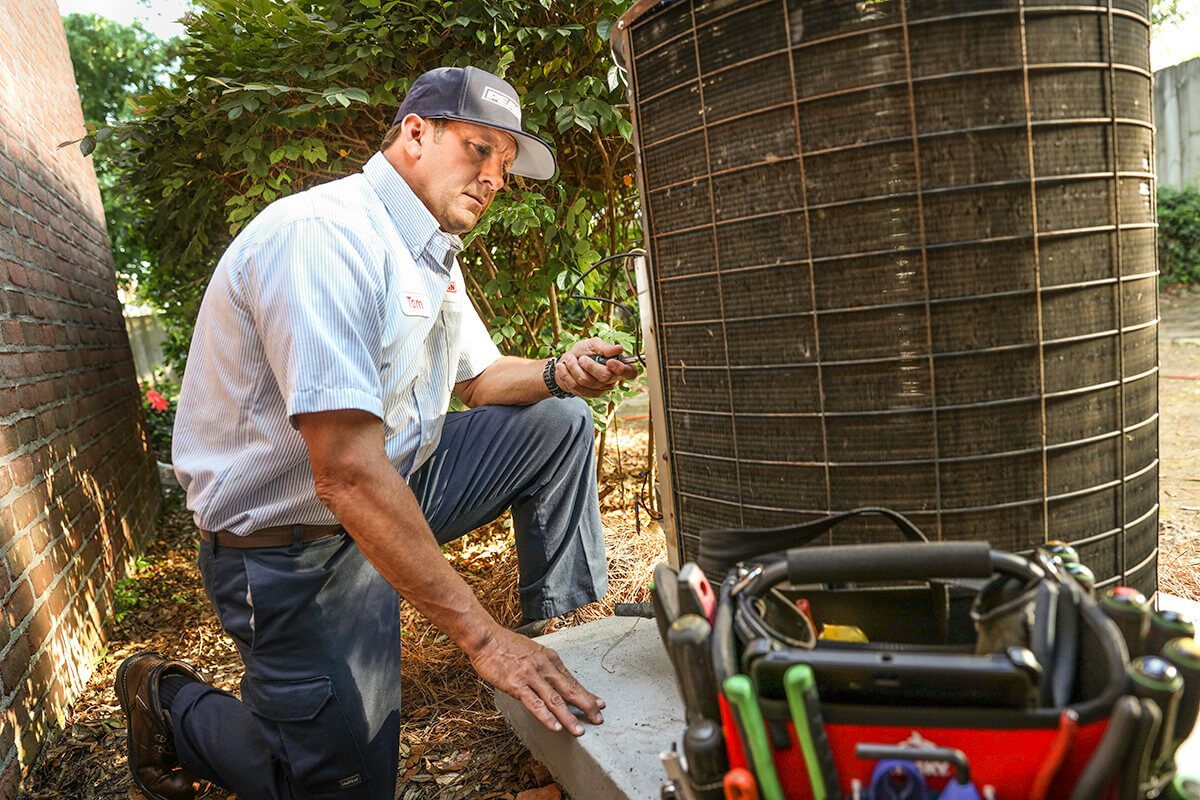
There are some scenarios which you’ll be able to fix the leak yourself, but in many cases, the best way to ensure the problem is resolved and doesn’t end up costing you more money is to bring in a professional to diagnose and fix the problem.

How to Prevent Your Air Conditioner from Leaking

If you’ve had an air conditioner leak in the past, you should already know there are a few ways you can prevent this from happening again. The first step is to make sure you’re performing regular maintenance on your unit by changing filters on time, keeping your unit free of debris, and scheduling a yearly HVAC service call.

You can add a secondary drain line for your air conditioner, as well as have a shutoff switch installed for the drain pan overflow. You’ll also want to ensure that you have correctly installed ductwork and have refrigerant levels monitored.

Preventing air conditioning leaks doesn’t have to be complicated. We know that they can get messy and it can disrupt your day. But Peaden is here to get your air conditioner working in prime condition again and get you back to your schedule. Hiring a certified professional is essential to getting the most value out of your unit. If you have a leak, get the experts involved today!
Continue Reading

Why Is My Air Conditioner Blowing Hot Air?

July 10th, 2016 | Written By | Reviewed By Briant Daws

iStock

You might not notice right away when your air conditioner isn’t performing as it should be, but as soon as it starts blowing out hot air, it can disrupt your lifestyle and create an uncomfortable atmosphere. However, that still makes you wonder, why is my air conditioner blowing hot air? Well, there are many common reasons, as well as a few unique ones, that can be causing this problem. Here are a few of those causes, as well as a few ways to prevent this from happening in the future.

Common Causes for Air Conditioner Blowing Hot Air 

Many people don’t realize their AC unit isn’t working in prime condition until the hot summer months are upon them. However, that doesn’t mean that you should ignore the problem and just push through until the colder weather. Here are a few of the most common reasons for an air conditioning unit that isn’t blowing cold air:

  • The thermostat isn’t working properly or isn’t on the correct setting. In some cases, this can feel like wondering why your toaster isn’t working only to discover it isn’t plugged in. Check to make sure your settings are correct and that you don’t just have the fan on. There may be something a little more technical involved, and you’ll need a pro to diagnose and correct the problem.
  • The airflow is restricted. If you haven’t had your annual maintenance done on your air conditioner in some time, then you may have dirty coils that can restrict air flow. Also, dirty filters can cause this problem because of the build up.
  • The refrigerant is low or leaking. Because refrigerant absorbs heat, when your AC isn’t working properly, you’ll get hot air instead of cool air coming through.
  • No electricity is getting to the outside unit. The inside elements of most air conditioners will continue to push air through even if the outside isn’t getting the electricity it needs. Check for breakers that have been tripped to see if this is the problem.
  • The outside of the unit is dirty or covered with debris. The more buildup you have around your unit, the better the chances are that you’re going to come across a problem in the future, like it blowing hot air instead of cold air.

As we said before, these are just a few of the most common causes. There may be other reasons why your air conditioner is blowing hot air. To get to the root of the problem, call in the professionals to diagnose your problem and get your unit working in prime condition.

How to Prevent Hot Air from Blowing Out of Your AC Unit

The best way to prevent hot air from coming out of your AC unit (as well as many other problems) is to change and clean your filters on a regular basis, as well as keep up the annual service calls from a professional technician. Also, pay attention to the inside and outside of your unit. A little routine care will go a long way!

Continue Reading

An AC Repair Prevention Checklist For Your Home

February 6th, 2016 | Written By | Reviewed By Briant Daws

iStock

In order to protect your home while also saving money, you’ll have to keep a few prevention checklists around, and AC repair and maintenance is one of them. You can display this on your fridge or next to your calendar, and you can get the entire family involved with the chores that are required to keep your AC unit working in prime condition. Here are a few tasks that you should be doing everything month so that you save money on your energy bill as well as prevent future AC repairs.

Listen to Your Unit

The sounds your air conditioning unit makes will be one of the first signs when you’re in need of a repair. Once a month, listen to your unit from the outside and inside to ensure that everything is running smoothly. If you hear odd pops, hums, clanking, and other strange sounds, then you’ll want to call an AC repair company.

Check Your Thermostat

If you suspect your thermostat isn’t reading temperatures correctly, then it may be time to invest in a new one. You don’t have to get a new unit when you invest in a new thermostat and you’ll find that this is an affordable option for many people that want a more efficient unit. Even if your thermostat isn’t the reason you need an AC repair, talk to a specialist about how a new one with better technology features can benefit you.

Change or Clean Filters

Changing and cleaning filters should be done on monthly basis, and it should always be on the checklist. While most people follow the rule to change filters once a month, if you find that they are extremely clogged, then you might want to change your filter every twenty-five days and see if that is better. To prevent an AC repair, you need to make it easy on your unit when it’s working, and a clean filter will provide that.

Clean the Outside of the Unit

Take care in cleaning the outside of the unit if you want to prevent AC repair. Keep outdoor debris off of it and make sure the unit stays level and doesn’t sink into the ground. If you think you need a new pad for the unit to sit on, seek the advice of an expert. As you start to notice the outside of the heating and air conditioning unit getting dirty in places you can’t clean, you’ll know it’s time to call in the pros for routine services.

Hire an AC Repair Company

Even if you don’t need an AC repair, you should have a professional company to call just in case something does go wrong. This way, you’ll have an expert to call when something goes awry, and they’ll have an understanding of your air conditioning system from the yearly maintenance that is performed. Start the search now for a quality company and put their phone number by your checklist, and you’ll rest easy knowing that you have a plan for your investment.

Continue Reading