 You are viewing the Tallahassee, FL location.
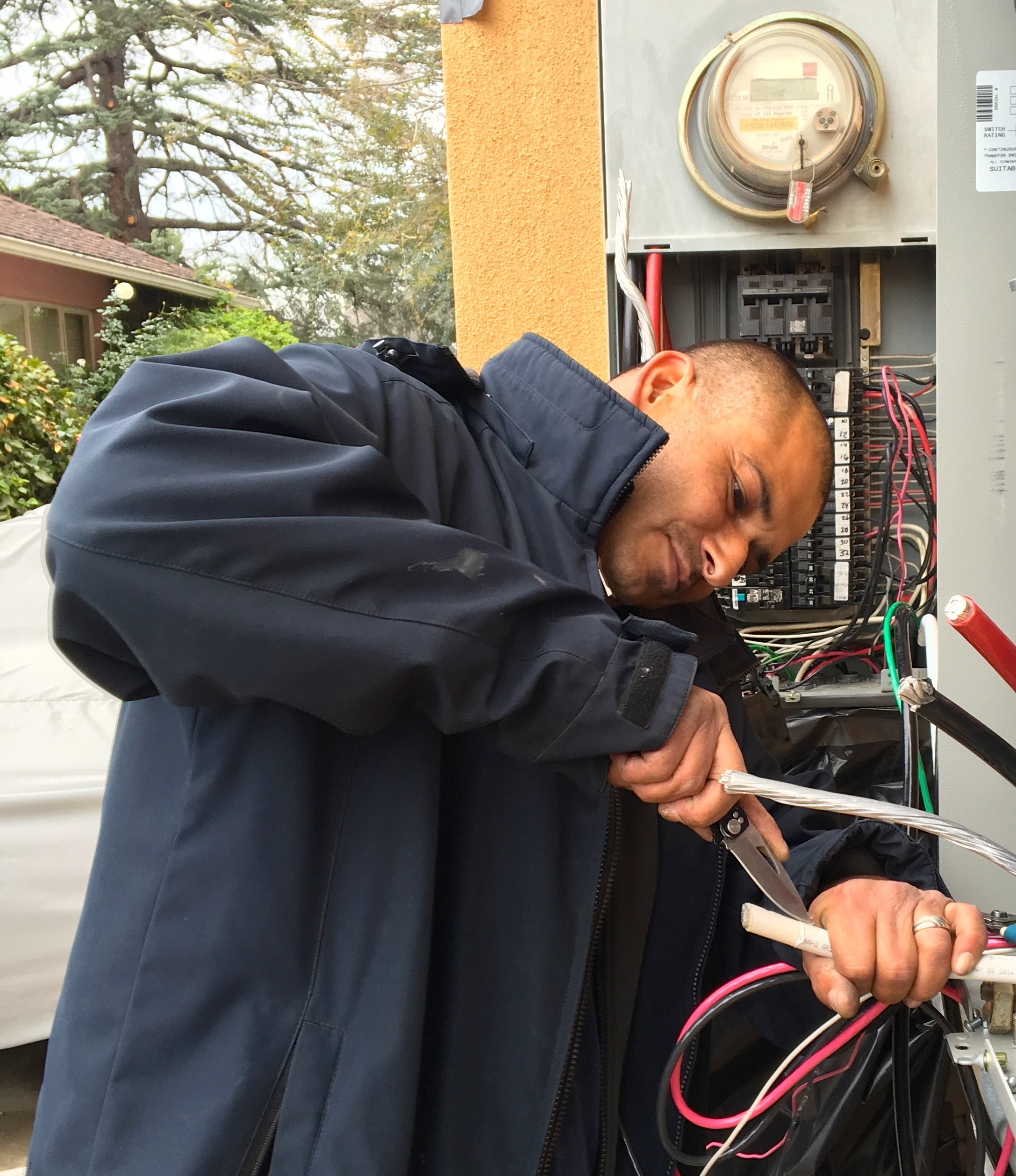
Homeowners in Tallahassee depend on reliable backup power during storms, outages, and utility disruptions. Whole home generators provide that protection, but fuel type plays a major role in how efficiently and safely a generator performs. Understanding your fuel options helps you choose a system that fits your home’s needs, your budget, and your long-term expectations for reliability. Our Peaden Pros guide homeowners through natural gas, propane, and diesel-powered whole home generators in Bradfordville, FL to ensure each installation delivers dependable operation throughout every outage.
What Fuel Type Is Best for a Whole-Home Generator?
The best fuel type for a whole-home generator depends on your home’s fuel access, power needs, budget, and expected outage length. A generator service technician can help compare the main options:
- Natural gas: Convenient for homes with an existing gas line and steady utility service
- Propane: Flexible for homes without natural gas access and useful for stored backup fuel
- Diesel: Strong for large homes, heavy electrical loads, or longer high-output runtimes
Choosing the right fuel source helps your generator run safely, support the right circuits, and stay reliable during storms, outages, and utility disruptions.
Natural Gas Generators Provide Convenience and Continuous Fuel
Natural gas is one of the most popular fuel sources for whole home generators because it delivers steady, uninterrupted supply. Homes with an existing natural gas connection enjoy the greatest convenience since a generator can be connected directly to the gas line. This eliminates the need to store fuel, refill tanks, or monitor fuel levels during extended outages.
Natural gas burns cleanly, supports long runtimes, and keeps maintenance requirements manageable. For homeowners with reliable utility gas service, natural gas-powered systems offer exceptional value and consistent protection. Our Peaden Pros evaluate your gas line capacity to ensure safe, proper generator sizing.
Propane Generators Offer Flexibility and Clean Operation
Propane serves as a strong alternative when natural gas service is unavailable. Propane-powered standby generators draw fuel from an on-site tank, giving homeowners full control over fuel supply. This fuel burns cleanly, stores well, and is widely available throughout the Tallahassee region.
Propane systems are especially popular in areas outside natural gas infrastructure or in neighborhoods where utility upgrades are not planned. Homeowners can choose tank sizes based on their expected generator usage and desired runtime. Our Peaden Pros help determine the right tank capacity so your home stays powered through extended outages.
Diesel Generators Deliver High Output for Large Homes or Heavy Loads
Diesel-powered generators produce strong, reliable power output suited for larger homes or properties with high electrical demand. Diesel fuel is energy dense, making these systems well suited for long, demanding runtimes. While diesel generators require on-site fuel storage and have higher maintenance needs than natural gas or propane units, they offer unmatched durability in heavy-duty applications.
Homeowners needing robust performance for large homes, workshops, or specialized equipment often choose diesel as their preferred fuel source. Our Peaden Pros ensure proper installation, ventilation, and fuel storage practices for safe operation.
How Fuel Type Affects Sizing and Performance
Each fuel source influences the generator’s performance, operating costs, and maintenance schedule. Natural gas provides the most convenient long-term operation, propane offers strong reliability with flexible installation options, and diesel delivers the highest power output.
Selecting the right fuel type also ensures accurate sizing. Undersized or improperly fueled generators may struggle during outages, while well-matched systems provide smooth transitions and stable power for HVAC systems, refrigeration, lighting, and essential circuits.
Why Professional Guidance Matters
Choosing the right generator begins with understanding how your home uses power. Our Peaden Pros perform detailed load assessments, evaluate fuel access, and recommend generators that align with your home’s electrical needs. With expert installation and ongoing support, your generator remains ready for every storm or unexpected outage.
Frequently Asked Questions
Question: What types of fuel do whole-home generators use?
Answer: Whole-home generators commonly use natural gas, propane, or diesel. Natural gas connects directly to a utility gas line, propane uses an on-site storage tank, and diesel requires stored fuel. Each option affects runtime, maintenance, installation needs, operating cost, and how well the generator supports your home during outages.
Question: Is natural gas a good fuel for a whole-home generator?
Answer: Natural gas is a convenient option for homes with an existing gas connection because it provides a steady fuel supply without refilling tanks. It burns cleanly, supports long runtimes, and can simplify long-term operation, but the gas line must have enough capacity for safe generator performance.
Question: When is propane a better choice for a standby generator?
Answer: Propane can be a strong choice when natural gas service is not available. It is stored in an on-site tank, burns cleanly, and gives homeowners more control over their fuel supply. Tank size matters because it determines how long the generator can run during extended outages.
Question: Why would a homeowner choose a diesel generator?
Answer: Diesel generators are often chosen for larger homes, heavy electrical loads, workshops, or properties that need strong power output for demanding use. Diesel fuel is energy dense and durable for long runtimes, but these systems usually require on-site fuel storage, proper ventilation, and more maintenance.
Question: How do I choose the best generator fuel for my home?
Answer: The best fuel depends on your home’s power needs, fuel access, budget, outage expectations, and maintenance preferences. Peaden’s Pros can perform a load assessment, review natural gas, propane, or diesel availability, and recommend a generator setup that supports reliable backup power during storms and utility disruptions.