 You are viewing the Baldwin County, AL location.
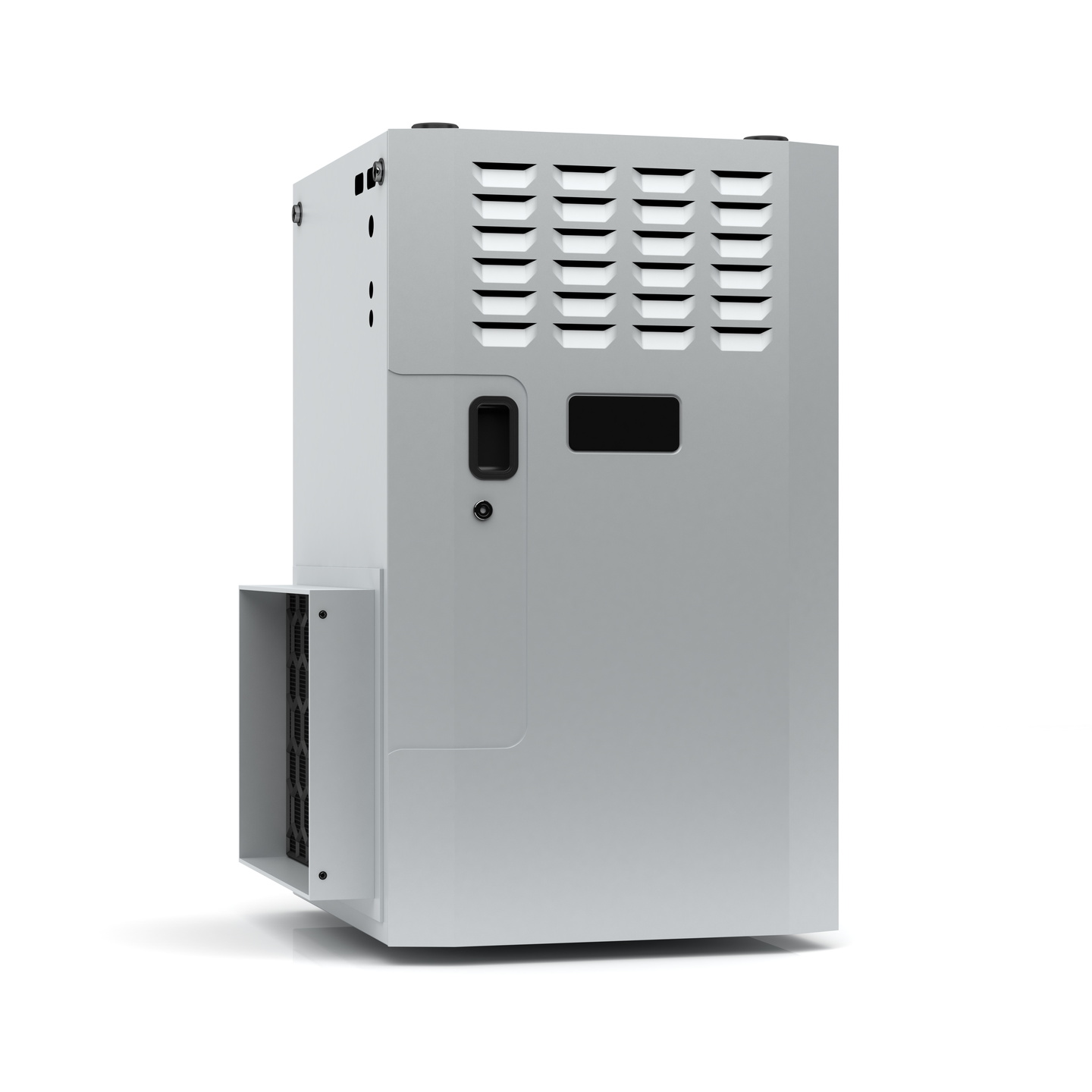
When winter temperatures dip around Point Clear, you need a heating system that delivers dependable comfort and efficiency. Whether you’re replacing an aging unit or upgrading your home’s comfort, the right choice depends on your home’s layout, energy source, and budget. Peaden helps Gulf Coast homeowners select the best heating solution for their needs, offering professional heating system installation and expert advice from trusted Peaden Pros. Here’s how gas furnaces, electric furnaces, and heat pumps compare.
How Gas Furnaces Heat Your Home and When They Make Sense
Gas furnaces remain a popular choice for homes with natural gas service. They generate heat by burning fuel and distributing warm air through ducts, providing fast, powerful heating even on the coldest nights.
Advantages:
- Rapid, high-temperature heating ideal for colder weather
- Lower fuel costs in areas with affordable natural gas
- Long lifespan when properly maintained
Considerations:
- Requires access to a gas line
- Produces combustion gases that must be vented safely
- May require more frequent maintenance to ensure safe operation
Gas furnaces are an excellent option for homeowners seeking robust heating performance and quick comfort.
Electric Furnaces: A Straightforward Option for Home Heating
Electric furnaces operate by heating elements that warm the air directly, making them a clean and safe choice for homes without natural gas. They have fewer mechanical parts than gas furnaces, meaning fewer breakdowns and minimal safety concerns.
Advantages:
- Easy to install and maintain
- No combustion or carbon monoxide risk
- Reliable performance in mild winter climates like South Alabama
Considerations:
- Higher operating costs due to electricity prices
- Slower heating response compared to gas systems
For homeowners who value simplicity and long-term reliability—and live in regions with moderate winters—an electric furnace can be a practical solution.
Why Heat Pumps Stand Out for Efficient Heating and Cooling
A heat pump is both a heater and an air conditioner in one. It works by transferring heat from outside air into your home during winter, then reversing the process in summer to provide cooling. This makes it one of the most energy-efficient systems available.
Advantages:
- Exceptional efficiency, reducing energy use and utility bills
- Provides both heating and cooling in a single system
- Ideal for Point Clear’s mild winters and warm summers
Considerations:
- May need supplemental heating in very cold temperatures
- Requires twice-yearly maintenance—once before summer and once before winter—to stay efficient
Heat pumps are an outstanding choice for year-round comfort, especially in coastal Alabama’s moderate climate.
Gas Furnace vs. Electric Furnace vs. Heat Pump: Which Is Best for Your Home?
Each option has strengths, but the best system depends on your home’s specific needs and energy availability. Gas furnaces deliver powerful heat, electric furnaces offer dependable simplicity, and heat pumps provide unmatched efficiency and versatility. A Peaden Pro can perform a detailed home assessment to recommend the most cost-effective and comfortable solution for your household.
Professional Furnace and Heat Pump Installation
No matter which system you choose, proper installation makes all the difference. The Peaden Pros provide expert heating installations across Point Clear, ensuring your system operates safely, efficiently, and reliably. Contact Peaden today to schedule your consultation and discover which heating system is right for your home.
Frequently Asked Questions
Question: What is the difference between a gas furnace, electric furnace, and heat pump?
Answer: A gas furnace burns fuel to create heat, while an electric furnace uses electric heating elements. A heat pump works differently by transferring heat rather than generating it directly. Heat pumps can also reverse operation to cool your home, providing heating and air conditioning from one system.
Question: Is a heat pump more efficient than a gas or electric furnace?
Answer: Heat pumps are generally very energy efficient because they move heat instead of creating it through combustion or electric resistance. In mild climates, this can reduce energy use and utility costs. Their efficiency can decline during very cold weather, when supplemental heating may be needed.
Question: Is a heat pump or furnace better for a mild climate?
Answer: Heat pumps are particularly well suited to mild climates because they provide efficient heating during moderate winters while also cooling the home during warmer months. A furnace can still be appropriate, especially when natural gas is already available, but climate, energy costs, and existing equipment should guide the decision.
Question: Is a gas furnace cheaper to run than an electric furnace?
Answer: A gas furnace can cost less to operate in areas where natural gas is relatively affordable. Electric furnaces are typically simpler to install and maintain, but electricity prices can make them more expensive to operate. Actual heating costs depend on local utility rates, system efficiency, and how frequently heating is needed.
Question: What should I consider when choosing between a furnace and a heat pump?
Answer: Consider your local climate, available energy sources, existing HVAC equipment, installation budget, operating costs, and whether you need both heating and cooling. Gas furnaces offer strong heating, electric furnaces emphasize simplicity, and heat pumps combine efficient heating and cooling, making professional system sizing and installation important.