 You are viewing the Panama City, FL location.
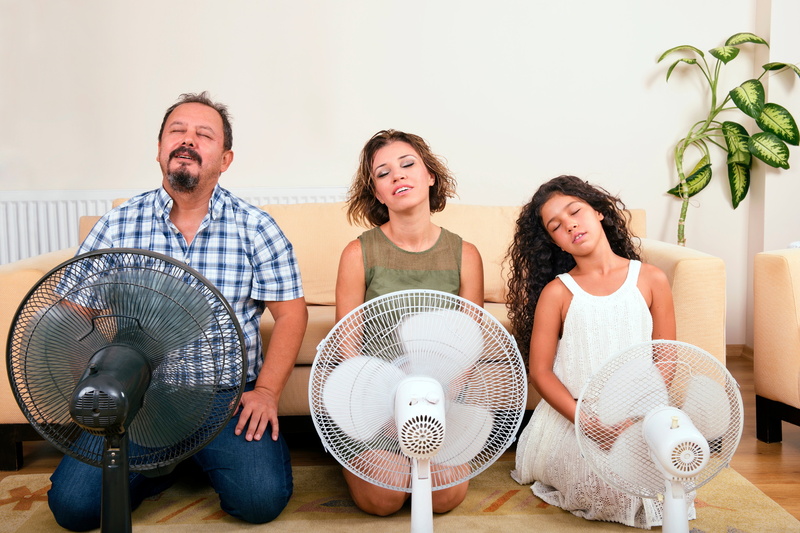
It’s a common frustration for homeowners in Lynn Haven: the downstairs feels perfectly cool, but the upstairs is uncomfortably hot. Uneven temperatures are not just an annoyance—they’re a sign that your HVAC system isn’t working as efficiently as it should. At Peaden, our skilled technicians, known as Peaden Pros, specialize in solving these comfort challenges. If your upstairs is too hot, here are some solutions that can make your entire home consistently comfortable. The Peaden Pros proudly offer service for air conditioning in Lynn Haven, FL designed to keep your home cool and efficient.
Could Leaky Ducts Be Overheating Your Upstairs?
Your ductwork is responsible for carrying cooled air throughout your home. If there are leaks, gaps, or poor connections, the air meant for your upstairs rooms may be escaping before it gets there. This leads to weaker airflow and warmer spaces. A Peaden Pro can test your ductwork for leaks and seal them properly, restoring airflow and ensuring your system isn’t wasting energy. Fixing duct issues not only balances temperatures but also lowers energy bills by improving efficiency.
Is Your HVAC System Properly Sized for Your Home?
If your air conditioner or heat pump isn’t the right size for your home, it may struggle to cool every floor evenly. An undersized system runs constantly yet never fully cools upstairs areas, while an oversized system cycles on and off too quickly, leaving hot spots behind. Professional load calculations from a Peaden Pro can determine if your current unit is appropriately sized. If it’s not, upgrading to the correct system can resolve uneven cooling and provide more consistent comfort.
Try a Zone Control System for Balanced Cooling
Even if your HVAC system is in good shape, different areas of your home often have different cooling needs. Heat naturally rises, so upstairs requires more cooling than downstairs. A zone control system allows you to set different temperatures for each level or even specific rooms. With motorized dampers in your ducts and individual thermostats, your system directs cooled air exactly where it’s needed. This eliminates hot upstairs rooms and prevents overcooling other areas of the house.
More Cooling Fixes to Even Out Upstairs Temps
Improve Insulation
Inadequate insulation in the attic allows heat to seep into upstairs rooms. Adding insulation helps keep cool air in and hot air out.
Check Vent Placement
Blocked or poorly positioned vents can reduce airflow. Make sure vents are clear of furniture or drapes so cooled air can circulate freely.
Upgrade Your Thermostat
A programmable or smart thermostat works well with zone control systems to keep your home balanced and energy-efficient.
Why Fixing Uneven Cooling Pays Off
Solving upstairs temperature problems does more than improve comfort. You’ll also benefit from:
- Lower monthly energy costs as your system no longer has to overwork
- Longer equipment lifespan thanks to reduced strain
- Improved indoor air quality from properly sealed ducts and balanced airflow
- A more comfortable home for the entire family
Talk to Peaden for Help With Upstairs Cooling Issues
You don’t have to settle for a home that’s cool downstairs but too hot upstairs. With professional solutions like duct sealing, system sizing, or zone controls, you can enjoy even comfort in every room. Whether your system needs repairs, upgrades, or advanced solutions, our team is ready to help.
Frequently Asked Questions
Question: Why is the upstairs of my home hotter than the downstairs?
Answer: Upstairs areas often become hotter because heat naturally rises and collects on higher floors. In addition, attic heat, poor insulation, or limited airflow can make it harder for your air conditioning system to cool the upper level evenly compared to the lower floors.
Question: Can poor airflow cause uneven cooling in a home?
Answer: Yes, poor airflow can make it difficult for cool air to reach upper rooms. Blocked vents, dirty filters, or issues with ductwork can restrict airflow and reduce cooling efficiency, causing certain areas of the home, especially upstairs rooms, to feel warmer.
Question: How can insulation affect upstairs temperatures?
Answer: Proper insulation helps keep heat from entering the home through the attic and roof. If insulation is insufficient or deteriorating, more heat can transfer into the upstairs area, making it harder for the air conditioning system to maintain comfortable temperatures.
Question: Can adjusting vents or dampers help balance temperatures?
Answer: Adjusting vents or dampers can sometimes improve temperature balance in a home. Redirecting more cooled air toward the upstairs areas may help reduce temperature differences between floors and improve overall comfort throughout the house.
Question: When should a professional evaluate cooling problems between floors?
Answer: If the upstairs of your home remains significantly warmer despite adjusting vents or improving airflow, it may be time for a professional inspection. An HVAC technician can evaluate ductwork, system sizing, and insulation to identify the cause of uneven cooling.